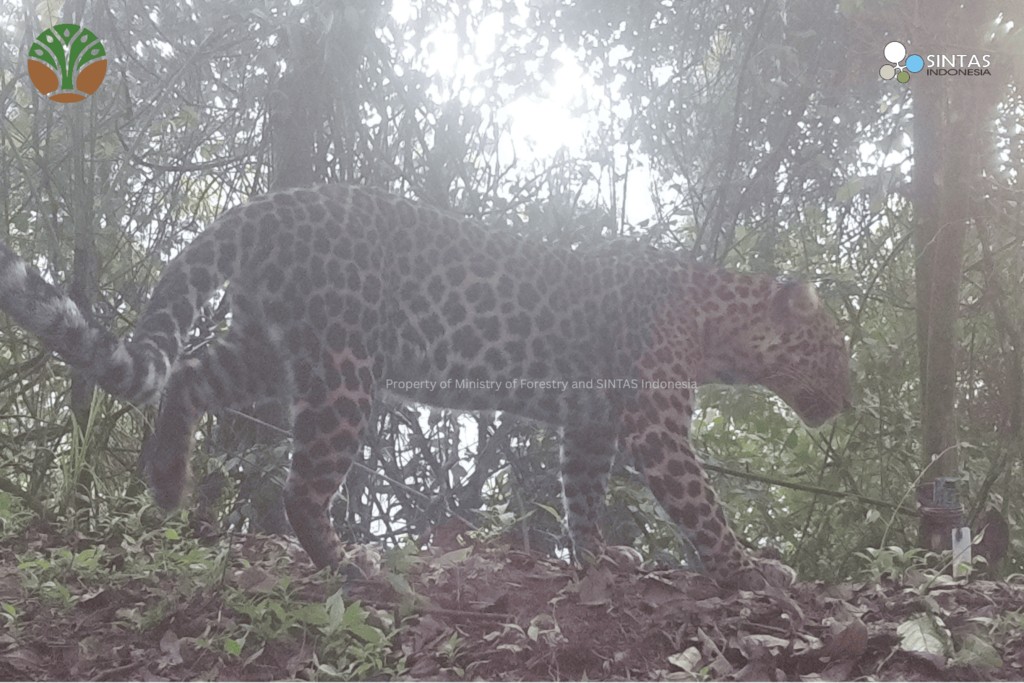
Jakarta, 5 November 2026 — Deep in the wilderness of Bromo Tengger Semeru National Park (TNBTS), 160 camera traps have been operating continuously, monitoring the silent movements of one of the most mysterious animals on Java Island, the Javan leopard (Panthera pardus melas). Coinciding with National Flora and Fauna Day (HCPSN) on 5 November 2026, PT Bank Central Asia Tbk (BCA), under the creating shared value (CSV) umbrella program Bakti BCA, revealed fresh field analysis findings from the Java Wide Leopard Survey (JWLS). This initiative is carried out by Bakti BCA together with the Indonesian Ministry of Forestry, the Bromo Tengger Semeru National Park Center (BBTNBTS), and the SINTAS Indonesia Foundation.
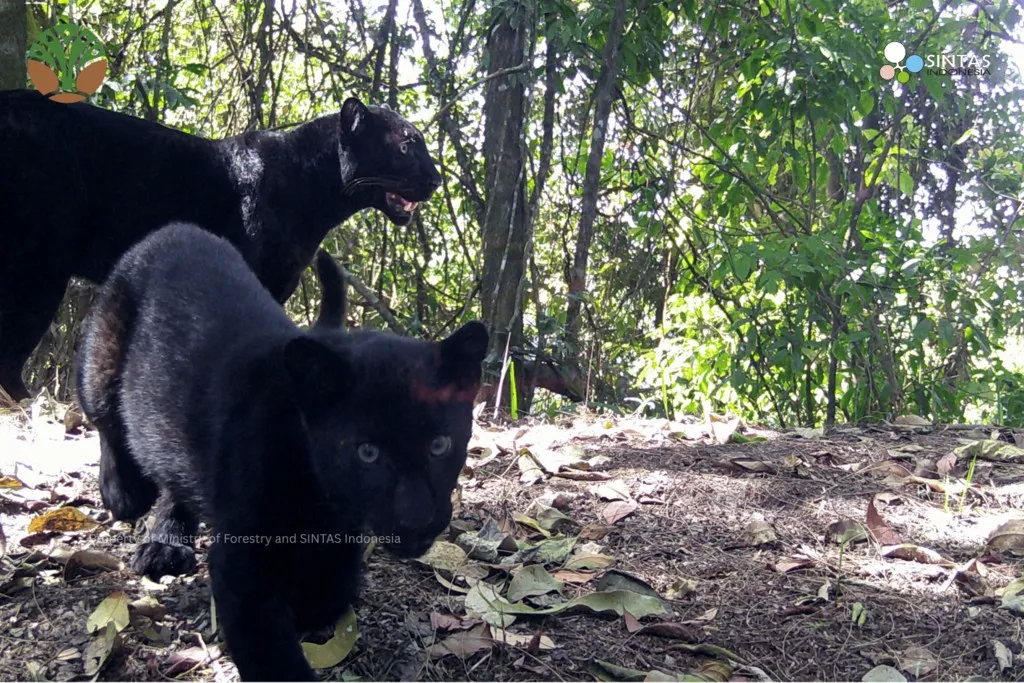
Based on the analysis conducted in August 2026, camera traps deployed across TNBTS through March 2026 successfully identified 19 individual Javan leopards, consisting of 7 males, 10 females, and 2 cubs. Each captured visual record helps researchers unravel critical questions surrounding the population size, territorial distribution, and the availability of natural prey that sustains this apex predator and endemic species of Java Island.
BCA EVP of Corporate Communication & Social Responsibility Hera F. Haryn stated that National Flora and Fauna Day serves as an opportunity to raise public awareness and care toward Indonesia's endangered wildlife, including the Javan leopard, whose survival continues to face various threats.
"Preserving the Javan leopard cannot be separated from protecting the forest ecosystem as a whole. As an apex predator, its presence is a vital indicator of the health of the forest, which serves as a vital watershed and a bastion of biodiversity. Through our Bakti Lingkungan pillar, we support this scientific study to ensure that every conservation intervention is grounded in solid data and real field conditions," said Hera.
From January 2024 to August 2026, the Javan leopard was detected across 46 camera trap stations, representing 58% of all monitoring sites. The highest rate of detection was recorded in relatively well-preserved forest areas. In addition to visual footage, the research team collected 44 leopard fecal (scat) samples for DNA analysis.
The Java Wide Leopard Survey (JWLS) Eastern Region Field Coordinator Ummi Farikhah, commonly known as Ika, stated that the survey also documented 46 wildlife species in Bromo Tengger Semeru, with 26 of them identified as potential prey species for the Javan leopard.
"The availability of this natural food chain brings great hope for the survival of the Javan leopard. To that end, habitat protection and restoration, regular population monitoring, alongside the enhancement of habitat connectivity and the capacity of park authorities in managing human-leopard conflict, must also be strengthened. Equally important, conservation efforts require the active support and participation of all elements of society, including local residents, communities, and private companies residing and operating around the Javan leopard's habitat," said Ika.
Although prey availability provides optimism, the Javan leopard remains shadowed by habitat fragmentation, declining genetic diversity, and other risks. To mitigate these risks, preliminary results from the Population Viability Analysis (PVA), projecting the species' resilience over the next 100 years, place the population in TNBTS in the "moderate risk" category, indicating that this animal has a strong chance of survival provided the area is intensively managed and habitat connectivity is protected.
At the site level, conservation success requires harmony with local communities. A resident of Penanggal Village, Pasrujambe District, Lumajang Regency, Handrawilie Romneya Liefdie, described the dynamics among communities living on the borders of conservation areas.
"Quite a few residents feel proud that these rare animals still roam freely guarding the jungle. For this reason, regular socialization and community engagement are essential so that people understand wildlife behavior, maintain safe spatial boundaries, and unite against illegal poaching to preserve the ecosystem's harmony," said Handrawilie.
In the field, data collection takes place through collaboration among researchers, park authorities, and local communities. Since 2024, JWLS has also conducted training in survey techniques, camera trap management, and data analysis to strengthen the capacity of all parties involved. For residents living around the forest, understanding wildlife behavior, maintaining a safe distance, and avoiding actions that could trigger conflict are essential to fostering coexistence.
"The journey of the Javan leopard reminds us that wildlife conservation cannot be separated from the preservation of their habitat. Camera traps may only capture a small fraction of life in the forest, but the data gathered can help us make better-informed decisions," concluded Hera.
Picture information 1-2:
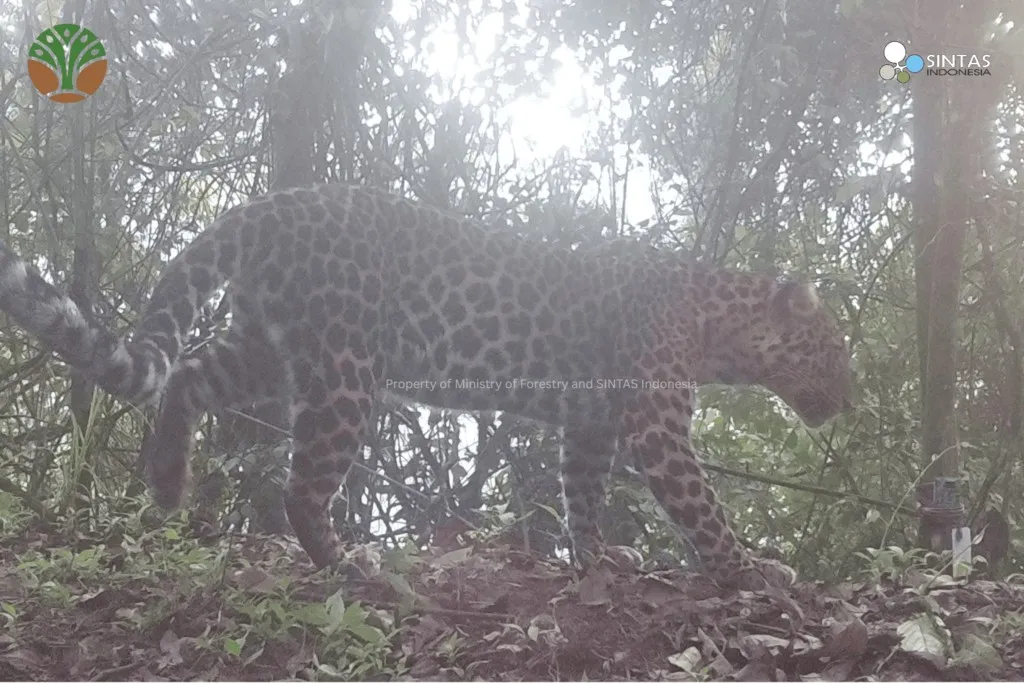
BCA Identifies 19 Javan Leopard Individuals in Bromo Tengger Semeru National Park — A screen capture from camera traps deployed as part of the Java-Wide Leopard Survey (JWLS). This collaborative program between PT Bank Central Asia Tbk (BCA) through its Bakti BCA umbrella, the Indonesian Ministry of Forestry, Bromo Tengger Semeru National Park Center (BBTNBTS), and the SINTAS Indonesia Foundation has successfully identified 19 individual Javan leopards in Taman Nasional Bromo Tengger Semeru.
Picture Information 3:
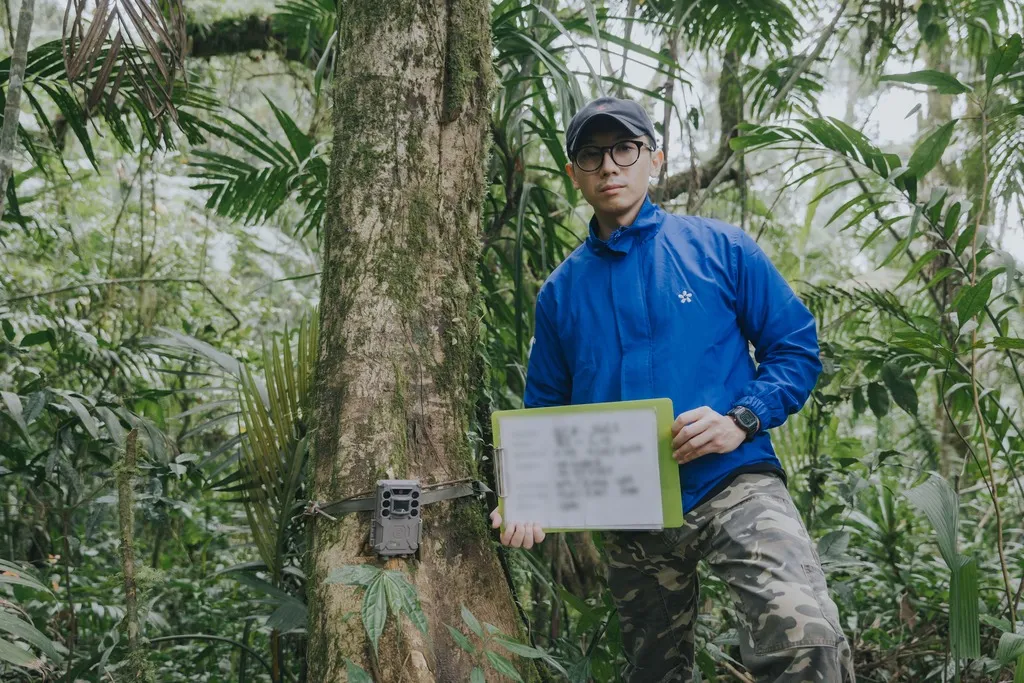
Bakti BCA Monitors Javan Leopard Presence via 160 Camera Traps in TNBTS — The Bakti BCA team is inspecting camera traps installed across Bromo Tengger Semeru National Park (TNBTS) area. Between January 2024 and August 2026, Javan leopards were detected at 46 camera trap stations, representing 58% of all monitoring locations.
***
About Bakti BCA
Bakti BCA is the corporate social responsibility umbrella of PT Bank Central Asia Tbk (BCA), focused on creating positive impact and sustainable development in Indonesia. Through Bakti BCA, the company implements various programs in education, health, the environment, culture, and community empowerment. BCA offers programs such as BCA Berbagi Ilmu, Beasiswa Bakti BCA, and makeup training and coaching for Friends with Disabilities (Teman Tuli) to support the development of the younger generation in the education sector. Bakti BCA also operates in the health sector, including health social services, free check-ups, and stunting prevention campaigns. In the environmental sector, BCA supports biodiversity conservation through turtle conservation, orangutan rehabilitation, and the protection of endemic species such as the Javan Leopard. Through these initiatives, Bakti BCA reflects BCA's commitment to growing with the community and contributing to a more sustainable future.
About PT Bank Central Asia Tbk (as of 30 September 2026)
BCA is one of the leading banks in Indonesia focusing on transaction banking as well as providing credit facilities and financial solutions for corporate, commercial, SME, and consumer segments. At the end of September 2026, BCA served more than 42 million customer accounts and processed more than 125 million transactions daily, supported by 1.278 branch offices,
20.268 ATMs, as well as 24-hour internet & mobile banking services and Halo BCA contact center. BCA's presence is supported by several subsidiaries focusing on vehicle financing, Syariah banking, securities, general and life insurance, digital banking, and venture capital. BCA is committed to building long-term relationships with customers, prioritizing mutual interests, and creating a positive impact on the wider community. With more than 27.600 employees, BCA's vision is to be the bank of choice and the mainstay of society, serving as an essential pillar of the Indonesian economy.
PT BANK CENTRAL ASIA TBK
Group Corporate Communication and Social Responsibility - CCR Corporate Communication
Address : Jl. MH Thamrin No.1, Menara BCA Lt. 22. Jakarta 10310
Telephone : (021)
2358-8000
Fax : (021) 2358-8339
E-mail : corcom_bca@bca.co.id