
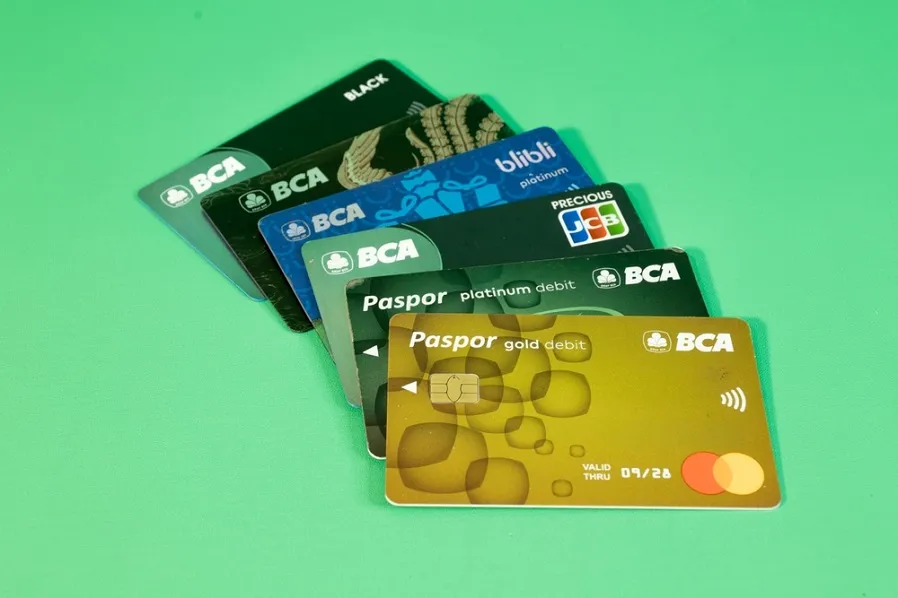
Almost every day to day transactions can now be done without cash, from shopping at convenience stores and paying bills to transferring money between accounts.
One of the tools that makes all of this possible is the debit card.
A debit card is directly linked to a savings account, automatically deducting transactions from your balance.
Although debit cards are commonly used, not everyone truly understands what they are or how they differ from credit cards. Read the full explanation in this article!
What Is a Debit Card?
A debit card is a bank issued payment card linked directly to a customer's savings or checking account.
Every time the card is used for a transaction whether at an ATM, an EDC terminal, or online, the account balance will automatically be deducted by the transaction amount.
Unlike cash, debit cards allow you to make transactions without carrying paper money.
In addition, every transaction is automatically recorded, making it easier to track cash flow for both personal and business use.
Before using a debit card, it's a good idea to familiarize yourself with its typical components, including:
- Card number, It is a unique combination of numbers that identifies the card and is used for online transactions.
- Security chip, the system stores data in an encrypted format to protect transactions from misuse.
- Card validity period, this indicates the period during which the card is valid.
- Cardholder’s name, printed as shown in the account information.
- Security code (CVV), the three digit number on the back of the card is required for online transactions.
- Payment network logo, such as GPN or Mastercard, which determines the scope of card usage both domestically and internationally.
Also Read: How to Check Your BCA Debit Card Information on myBCA and the BCA Mobile App
Never share your debit card PIN, OTP, or CVV/CVC with anyone, including bank staff.
Always keep this information confidential to avoid falling victim to scams.
BCA also offers several types of debit cards that you can use for everyday transactions.
Choosing one should, of course, be based on your needs.
- Paspor BCA Blue/Gold/Platinum. Available as a Mastercard or GPN card, this card is ideal for everyday transactions.
- Tahapan Xpresi BCA. A savings product designed specifically for young people, featuring a unique and practical card design with no passbook required.
- Business Debit Card. This product is designed to help companies streamline their cash management.
Benefits of Having a Debit Card
Debit cards offer a range of benefits, both for individual needs, such as those of employees and for company operations. Here is the explanation:
For Employees
Debit cards make it easy for employees to access their paychecks, which are deposited into accounts every month.
You can withdraw cash, make transfers, or shop right away without waiting in line at the teller.
Automatic transaction tracking also makes it easier to monitor monthly expenses.
For Businesses
Meanwhile, companies can use debit cards to streamline operations, such as purchasing office supplies or processing employee reimbursements.
Business debit cards generally include cardholder management features that allow companies to control who can spend company funds.
How to Use a Debit Card for Everyday Transactions
Using a debit card is straightforward provided you follow the appropriate steps for each transaction type:
- ATM Transactions: insert your card, select a language, enter your PIN, and choose a transaction, like withdrawal or transfer.
- Transactions at merchants (EDC): hand the card to the cashier or tap/swipe it at the terminal, then enter your PIN or sign as prompted.
- Online transactions: Enter your card number, expiration date, and CVV on the payment page, then verify via OTP or 3D Secure if prompted.
Also Read: A Practical Guide to Making Online Transactions with a BCA Credit or Debit Card
The Difference Between Debit Cards and Credit Cards
While both are used for transactions, debit cards and credit cards differ significantly. Here are a few key aspects to consider:
Sources of Funding
A debit card uses funds directly from your account balance.
Meanwhile, credit cards use funds borrowed from a bank that must be paid back according to the monthly statement.
Payment System
Transactions made with a debit card are deducted directly from your account balance.
On the other hand, credit card transactions are recorded as debt paid only when the bill is due, creating a time lag between the transaction and actual payment.
Limitations and Risks of Use
Debit card transaction limits depend on the account balance and the bank’s terms.
On the other hand, credit cards offer a separate credit limit that you can use even with a limited savings balance.
However, you risk incurring interest and late fees if the bill isn't paid on time.
Also Read: Discover the BCA Business Debit Card: One Card for All Your Corporate Financial Needs
Use Your BCA Debit Card for Your Daily Transactions!
A BCA debit card is a practical choice for everyday transactions, offering options tailored to your needs.
Each type of card carries different administrative fees and transaction limits, therefore, it is advisable to review the latest terms and conditions prior to making a decision.
For more information, contact Halo BCA at 1500888 or through the haloBCA app.


