
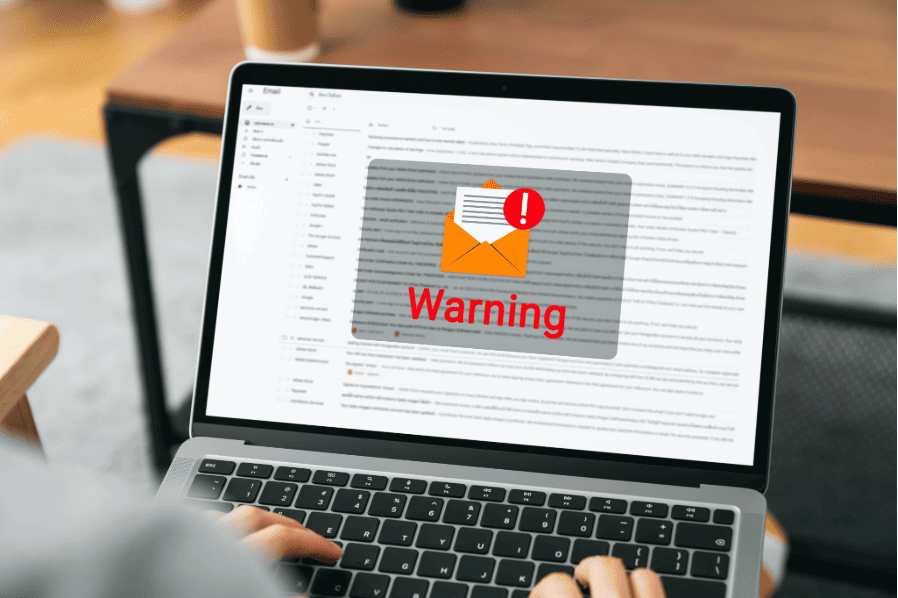
International trade moves fast, and email has become the easiest way for businesses to communicate, share documents, and arrange payments. It saves time and keeps transactions running smoothly. However, behind this convenience, there is a growing threat you need to watch out for: email hacking fraud.
In this scheme, cybercriminals secretly break into the email exchange between you and your supplier. Once they gain access to your system, they wait for the right moment to send a fake email that looks just like the real one. Their goal is simple: to trick you into sending your payment to a different bank account that they control. A moment of inattention could result in your funds being misdirected and potentially disrupt your business relationship with the supplier.
Warning Signs You Should Never Ignore
- A sudden request to change the beneficiary account for an upcoming payment
- An email address that looks similar but is not exactly the same (e.g., @supplier-intl.con instead of @supplier-intl.com)
- New or unfamiliar contact persons asking you to confirm payment details
- A beneficiary account located in a different country from the supplier’s actual business operations.
How to Protect Your Business
- Always confirm any payment changes through another channel, such as a phone call, video call, or other official communication tools besides email
- Carefully check sender details, including the domain, spelling, punctuation, and any unusual wording
- Immediately report any suspicious activity to your transaction branch or contact Halo BCA 24-hour service at 1500888 or via the haloBCA app for further assistance
Stay alert and prevent fraud by putting the right measures in place.


