
As technology advances, fraud methods are becoming more diverse and sophisticated. Currently, various fraud attempts in the name of BCA are widespread and target customers in different ways. Fraudsters take advantage of victim's carelessness and panic to steal highly confidential personal banking data.
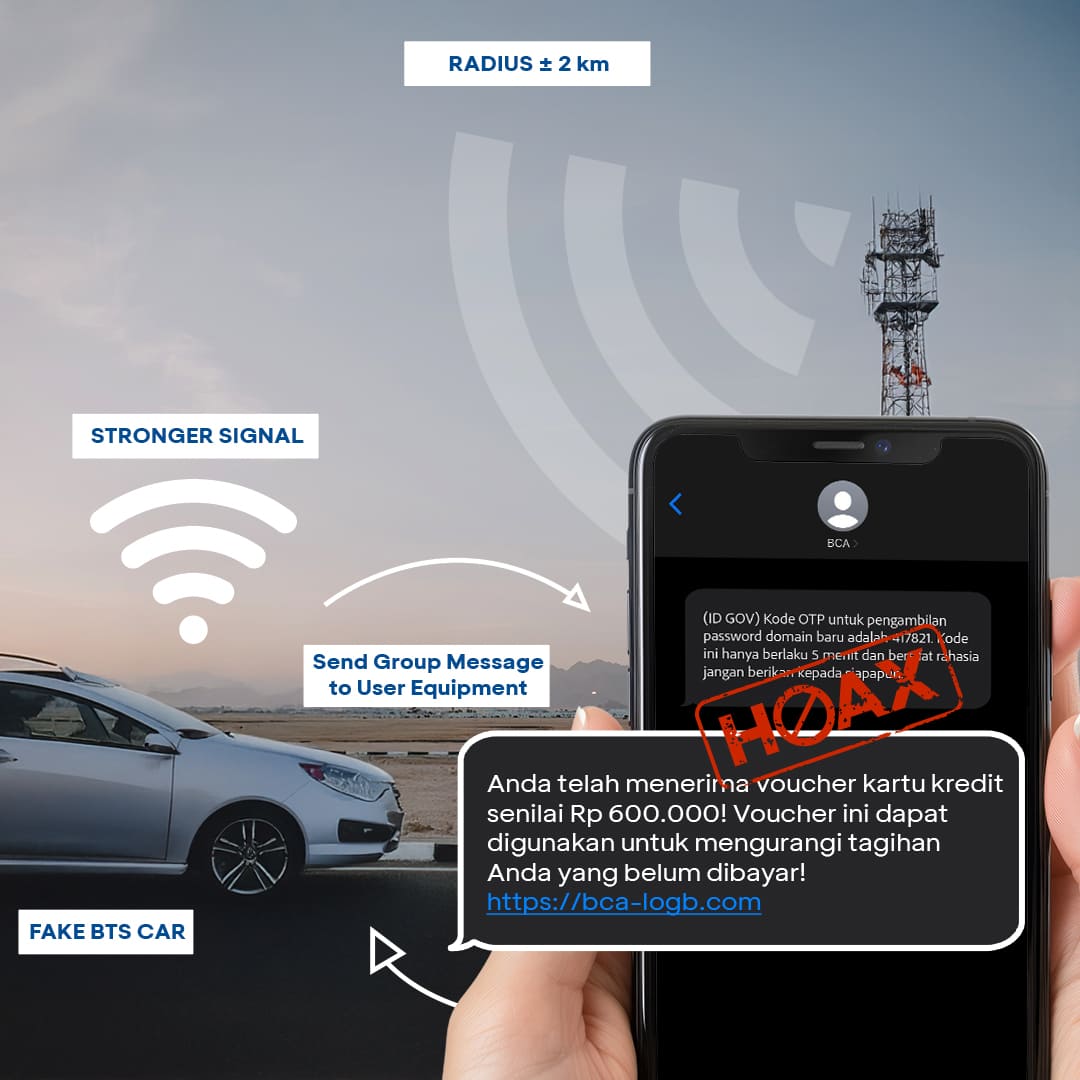
One of the most common methods is sending fake text messages using fake BTS technology. These messages usually contain fraudulent links that resemble the official BCA website. In addition, scammers often use tactics such as point redemption offers, VISA card update notifications, and credit card bill discount vouchers, all aimed at tricking customers into handing over their personal data.
Therefore, it is important for every customer to remain vigilant and remember one key principle: never share personal banking data through any channel or in any form. Sensitive data such as card numbers, PINs, OTP codes, CVV/CVC codes, and other personal information are key credentials for accessing accounts and conducting financial transactions. If this data falls into the wrong hands, the risk of financial loss can be significant.
Tips to Avoid Fraud
To avoid various types of fraud, here are some steps that can be taken:
1. Stay Calm and Do Not Panic
When receiving suspicious messages or information, remain calm and avoid acting hastily. Fraudsters often deliberately create a sense of urgency to cause panic and prompt victims to act without careful consideration. Staying calm allows for clearer and more rational assessment of the situation.
2. Verify the Message Content
Double-check the accuracy of the information provided. If a message contains a link directing to a website that resembles BCA, exercise caution immediately. Fake websites often appear similar to official sites but have different URLs. If in doubt, do not click the link and verify the information through official BCA channels.
3. Be Cautious When Asked for Personal Banking Data
Fraud can occur through various media, such as SMS, email, WhatsApp, and social media. It is important to remember that BCA never requests customers’ personal banking data through any channel. Personal banking data, such as card numbers, PINs, OTP codes, CVV/CVC codes, and other confidential information, must always be kept secure. If anyone claiming to represent BCA requests such information, it is a scam.
The security of personal banking data is a shared responsibility. By increasing awareness and not easily trusting suspicious messages or requests, the risk of becoming a fraud victim can be minimized. Always use official BCA channels to obtain information and report any indications of fraud immediately.
Stay alert, protect personal data, and remain vigilant to avoid various forms of fraud.


